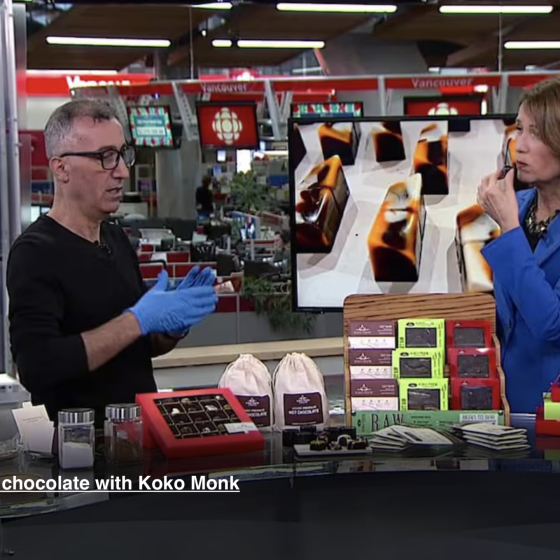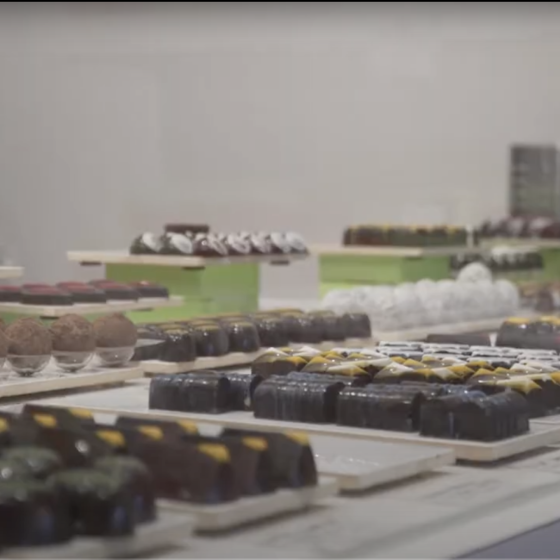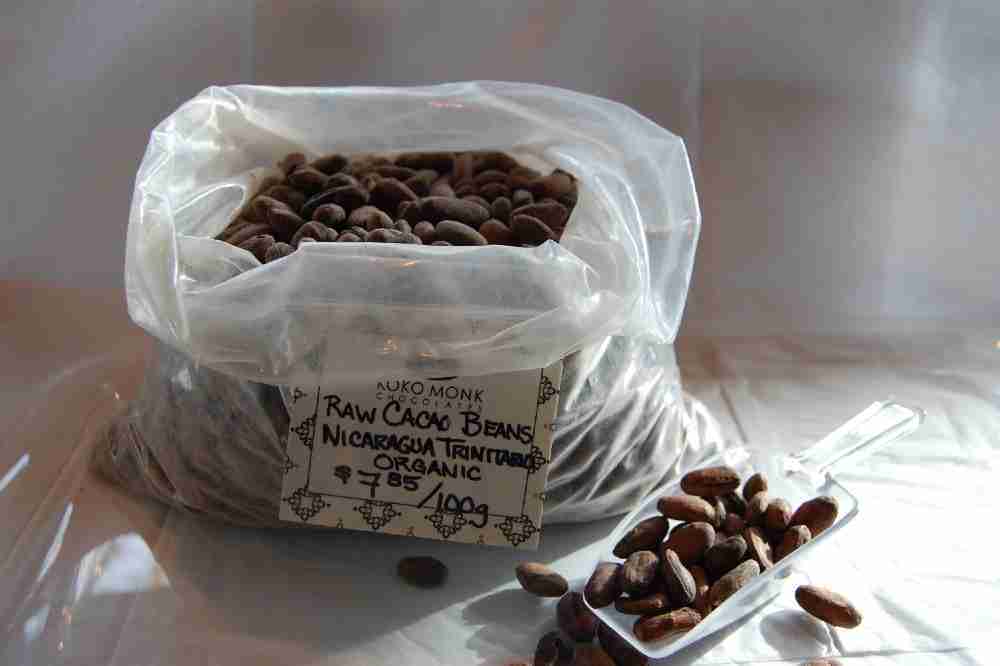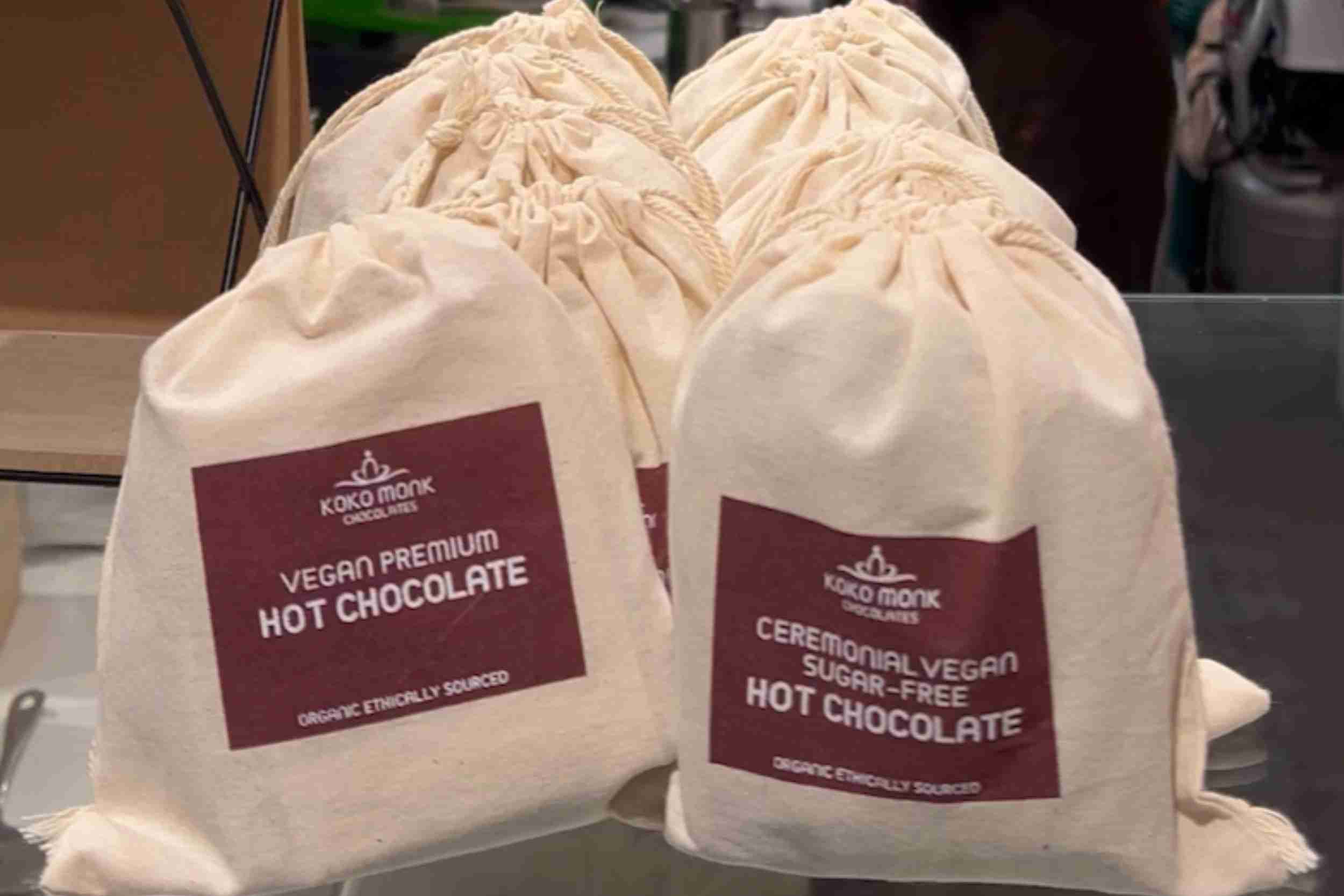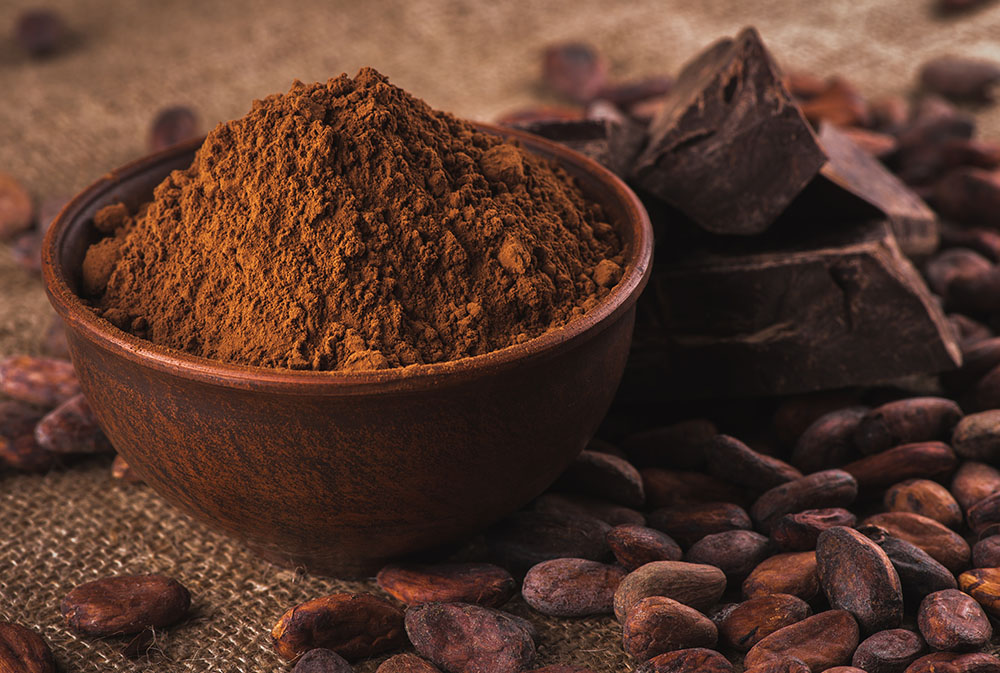
First things first, raw chocolate is made directly from raw cacao beans. The beans may be fully fermented, lightly fermented, or unfermented. The rest depends on how you process them—how you grind, how you conch, and how you melt for final tempering.
At every stage—from fermenting to drying, from conching (grinding) to melting and tempering—cacao beans are exposed to heat. And the very amount of this heat is at the heart of the “raw chocolate” theory.
Although there is no absolute agreement, raw food communities accept various temperatures as the threshold of what counts as raw food. These include 40°C, 46°C (one of the most commonly accepted), and 48°C—or somewhere in between.
Since there is no regulation or official definition of “raw chocolate,” each chocolate maker interprets these temperatures differently. Still, one thing is certain: these numbers are used as reference points because of one central element in the raw food movement—the enzyme. These temperature ranges are empirical numbers scientists, dieticians, and physicians have observed when studying enzyme activity in raw food.
In other words, if you figure out a way to keep the enzymes active without denaturing them, you could theoretically process your beans at whatever temperature you want and still have raw chocolate. But in the case of fresh fruits and vegetables, the threshold for enzyme deactivation is generally around 46°C.
So, the question is: Does every food need to be subjected to the same temperature range for its enzymes to be deactivated? In the case of cacao, this is a fascinating question. If you know how cacao grows, what regions it thrives in, how farmers ferment and/or dry their beans, and how beans are ground, you can easily see that chocolate almost always surpasses these temperature ranges at some point in its journey.
For example, during drying, beans spread on concrete floors under the equatorial sun can reach around 60°C—even for unfermented beans. Most traditional fermentation techniques also raise temperatures well above the raw threshold of 46°C. Does this mean the enzymes of cacao beans are already deactivated? The answer is no. Quite the opposite: fermentation actually activates most of the enzymes in the bean, creating the characteristic flavor profiles of cacao.
In other words, every food, every enzyme has its own unique molecular composition, reacting differently to heat or cold depending on its chemistry and water content. Consider that in 2015, Bolivia reached 47.1°C, Ethiopia 48.9°C, and Mexico 52°C (www.mherrera.org/temp.htm). Based on these temperatures, would cacao from these regions no longer qualify as raw? Of course not.
The real “heart” of the raw chocolate idea is:
• To eat chocolate as a whole food, not as a white sugar–laden, potassium carbonate–processed candy that’s been pressed and separated into cocoa powder and cocoa butter (a process that destroys 80% of cacao’s nutritional and medicinal benefits).
• To respect the natural form of food, allowing it to blossom through gentle processes that connect cacao back to its 3,000-year-old legacy as a sacred, medicinal food—without damaging its enzymes and nutrients.
A Short Definition
Raw chocolate is a whole, organic food with live enzymes, sweetened with natural alternatives rather than processed, denatured sweeteners like white sugar.
⸻
I was fortunate to work with some of the most extraordinary cacao beans from Central and South America as a pastry chef and chocolatier. As a principle, I never approached any bean with a predetermined frame of mind. All I saw was two equal biological organisms face to face: myself, and the unique, single-origin, often wild-harvested cacao bean. The rest was a magical and deeply meaningful relationship.
The essence of this approach is simple:
You taste the beans as they are, without forcing them in any direction. Then you stone-grind and conche them. Sometimes for days—or even a week or more—you grind nonstop, tasting daily, watching the chocolate evolve. You observe acidity softening into complex notes. It feels like witnessing a living being transform into something new—more beautiful each day, like a dancer in the darkness of your mouth, growing more graceful with every performance.
People often ask: Can you tell if chocolate is raw just by tasting it?
Here’s the answer:
Processed chocolate performs like a streetcar running down a narrow track on your tongue—it drops your taste buds off in the middle of nowhere. What you feel is a kind of unfinished foreplay, something that teases but doesn’t deliver.
By the way, 99.8% of chocolate companies in the world use potassium/sodium carbonate—known as Dutch processing. This process damages the beneficial enzymes in whole cacao, stripping away its “whole food” identity and reducing it to candy. Shockingly, aside from a few exceptions, it is nearly impossible to find un-Dutched chocolate anywhere in Europe.
But when you place a small piece of raw chocolate on your tongue, you immediately know you’re eating real, whole food. Your taste buds quiver with excitement—not just the middle of your tongue, but your whole mouth: gums, cheeks, every cell welcoming this long-awaited guest. The result is pure satisfaction. All those minerals, vitamins, and natural compounds (over 330 of them), plus immense antioxidants in their natural form, greet your body and trigger satiety hormones, digestive responses, and much more.
This overwhelming interaction happens because whole foods are packed with information—in the form of nutrition. When consumed in their natural state, body and food “recognize” each other. Your brain begins producing the right hormones and digestive acids while the food is still in your mouth, as your taste buds send magnificent, flavor-rich signals. Food and body share the same origin, the same source—the same universe.
The inevitable result? Total satisfaction from a single piece of real chocolate, rather than endless amounts of processed junk that dulls both body and soul.
If you doubt this, come and experience it yourself. Taste top-tier European-style processed chocolate side by side with raw chocolate sweetened naturally (we use date, coconut, maple, honey, or monk fruit—zero-calorie, low glycemic, and nutritionally beneficial. And importantly, we design and produce our own organic monk fruit sweeteners in both solid and liquid form for anyone following a Keto lifestyle.).
Thank you for joining our little rant-and-rave. Please don’t hesitate to reach out with questions.
A Last Word
Whether live cacao enzymes are essential for health or not, whether temperature thresholds really matter or not—the true secret is simple: consume whole food. Whole food is infused with life by Mother Nature, not diminished by human intellect.
If you’d like to dive deeper into enzymes, temperature, and food-health relationships, see these resources:
• www.ecologos.org/denature.htm
• www.rawfoods.com/marketplace/excaliburstatement.html
Remember: “Chocolate is necessary. Candy is optional. Get Raw.”
-Paul Dincer,
Owner and Founder, Koko Monk Chocolates, Vancouver
*********
For further reading and details check our “What is Dutch Processing?” article on our blog.